
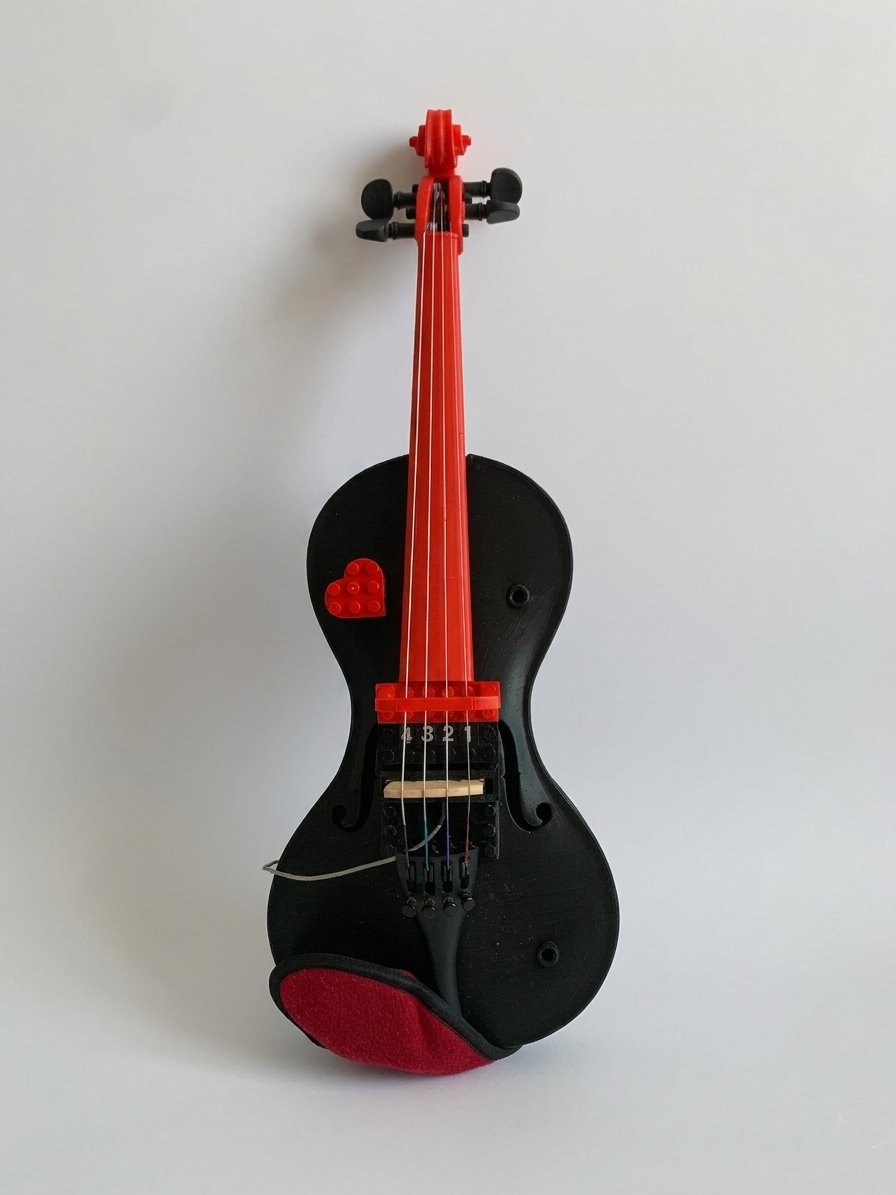
Let’s be honest for a second: the traditional violin is a beautiful masterpiece of 17th-century engineering, but it is an absolute nightmare for a modern 7-year-old to learn on.
We’ve all seen the cycle. A kid gets hyped about music, the parents buy or rent a tiny fractional violin, and within a month, the excitement completely vanishes. Instead, the daily practice turns into complaints about aching necks, sore fingers, and a sound resembling a dying cat. And honestly? Believe me, even if you handed that kid a flawless miniature Stradivarius, it wouldn’t change a thing. The fundamental design of a traditional violin just isn’t built for a child’s physical frame or their innate sense of curiosity and play.
I genuinely believe the future of teaching strings isn’t in traditional wood workshops—it’s on a 3D printing bed.
Because when it comes to kids, we need to completely flip the script on how an instrument is designed.
The Target User Shift: Professional vs. Kid
When a luthier crafts a violin for a professional musician, the hierarchy of design is clear: sound and tone are king. Every millimeter of wood shaving, the choice of varnish, and the density of the spruce top are tuned to achieve a rich, projecting, complex acoustic tone.
But when designing a violin for a child? Sound and tone are actually not even secondary.
Think about it: a beginner student is working on open strings, basic bow holds, and fundamental rhythm. They aren’t pulling a concert-hall tone out of the instrument yet. If the instrument is heavy, painful, and intimidating, they will quit long before their tone even matters.
For a kid, the design logic must prioritize three completely different pillars: Comfort, Accuracy, and Fun.
The Usage Purpose Shift: Performance vs. Pedagogy
Furthermore, the traditional acoustic violin was built entirely for performance, never for pedagogy. Every historical design choice—from the choice of varnish to the acoustic chamber—is tuned to achieve a rich, complex tone that can project to the back of a concert hall. But a beginner student isn’t trying to fill a concert hall; they are trying to master basic bow straightness and finger intonation. Because traditional instruments offer zero structural help for learning, teachers are forced to retroactively “hack” them by sticking messy tapes on the fingerboard or clipping on clunky, heavy plastic bow guides. By shifting our focus from a performance tool to a pedagogical tool, we can build these crucial educational aids directly into the instrument’s DNA.
The Goal
Based on this exact logic abovementioned, our goal is to build an instrument truly for kid, and prioritizing the learning process over acoustic resonance.
While the child is our primary user, teachers and parents are equally critical stakeholders. Therefore, our core objectives focus on addressing the unique needs of each group:
Comfortable and fun playing for child
Efficient teaching for teacher
Cost saving for parent
Bridging the Gap Between Tech and Tradition
We aren’t trying to replace the Stradivarius, and we aren’t designing for the concert stage. When a student is older, highly skilled, and ready for classical conservatory training, they should transition to a beautiful wooden acoustic instrument where performance tone is the ultimate goal.
I’m currently tinkering with some modular, student-friendly electric designs myself based on this exact philosophy, and the potential is massive.
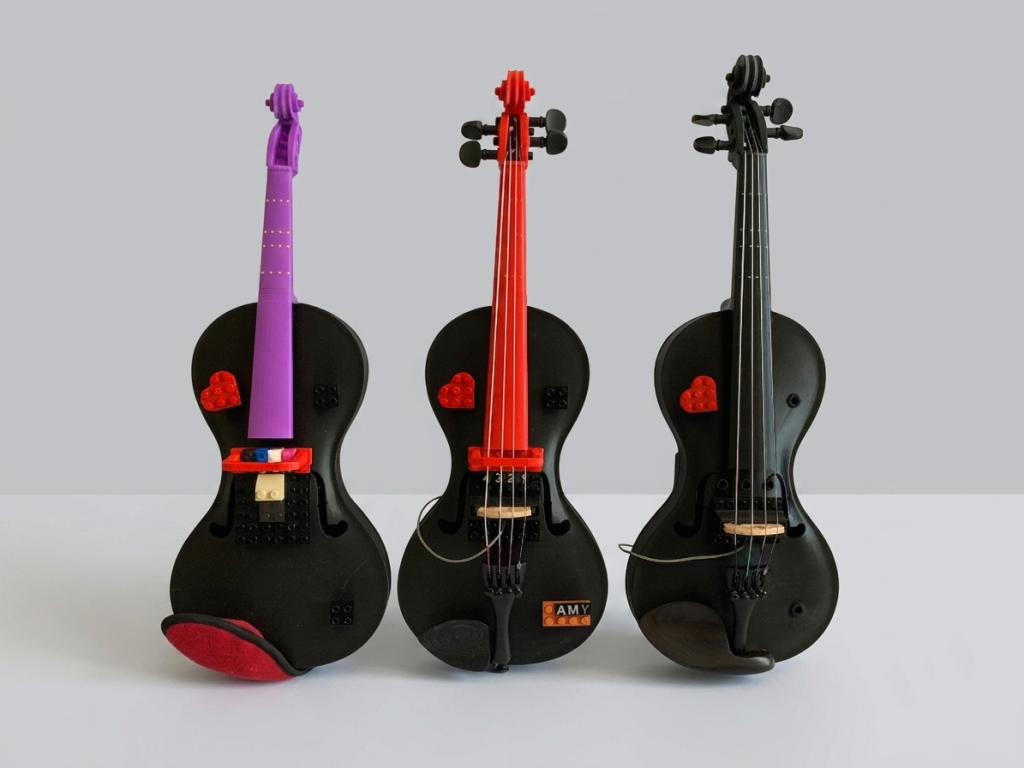
What do you guys think? If we stop treating beginner violins like mini-masterpieces and start treating them like smart learning tools, could we lower the drop-out rate for young string players? Let’s discuss.